
ABOUND
Novare™
Novare™
ABOUND Energy's Novare™
Novare™ harnesses the power of decades-long research and development to deliver a revolutionary resource recovery solution. Novare™ stands as a groundbreaking solution that not only addresses waste management challenges but also creates a sustainable energy source, seamlessly integrating with ABOUND’s Zaeras™ energy storage technology for maximum efficiency and value.
Key features of Novare™ include:
- High Efficiency: It processes waste at optimal temperatures, maximizing energy output while reducing waste volume.
- Eco-Friendly Process: The technology minimizes harmful byproducts, such as greenhouse gases and toxic ash, which are common in conventional waste management systems.
- Flexibility: It can process a wide range of waste materials, making it adaptable to diverse applications and waste streams.
Novare™ Technology is Pivotal for:
- Eliminates Waste Generator Liability: Novare™ neutralizes waste at its source using Advanced Thermal Conversion (ATC), transforming it into fully compliant byproducts. This system ensures strict adherence to environmental regulations while effectively eliminating traditional cradle-to-grave liability.
- Revolutionary Resource Management: Novare™ converts waste into clean energy, completely bypassing traditional landfill use, reducing emissions, and eliminating the need for incineration. This process ensures that harmful byproducts are not just minimized but eradicated, offering a true environmental breakthrough.
- Cost-Effective Implementation: When treating waste on-site, this technology significantly cuts down environmental liabilities, making it a financially and ecologically smart choice.
- Proven Performance: Engineered with advanced technology and grounded in decades of successful solutions in environmental remediation, Novare™ leverages proven methodologies and field-validated systems for immediate market deployment, ensuring an accelerated revenue stream.
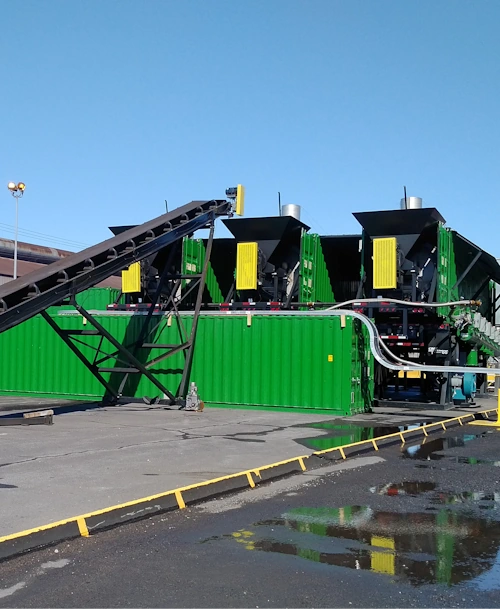
Reducing Construction Costs
The modular design of Novare™ significantly lowers construction costs through several mechanisms:
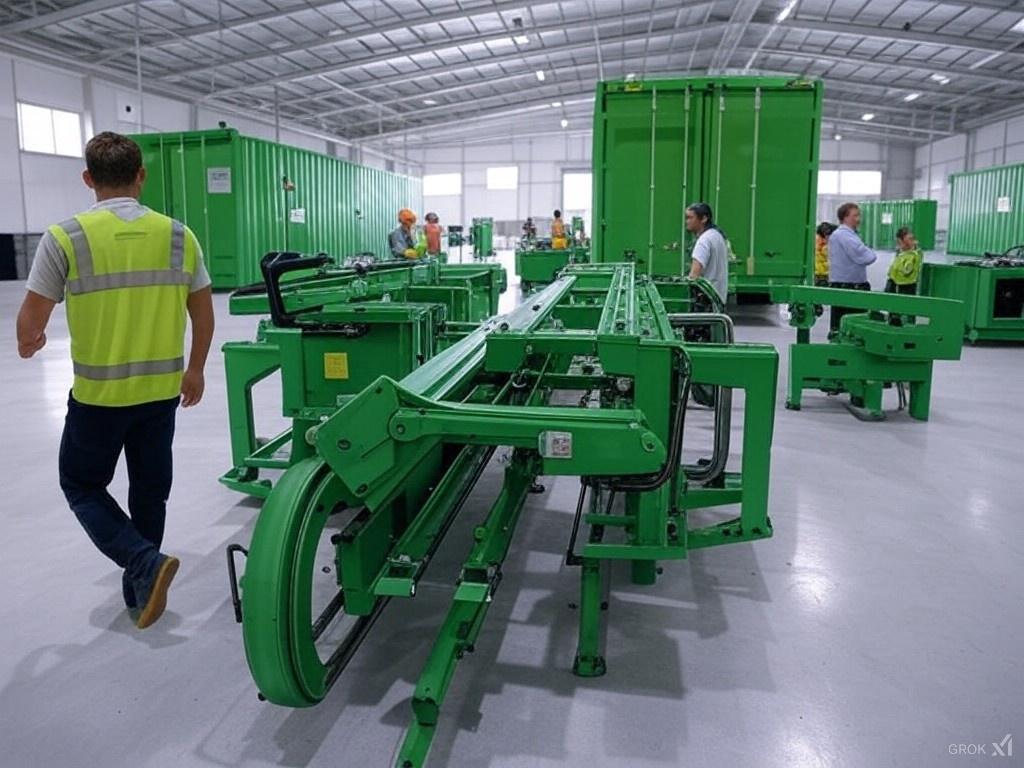
- Economies of Scale: Manufacturing modules in a controlled factory environment allows for mass production benefits. Standardized module designs mean that production can be optimized for cost, with each module being produced more cheaply as volume increases.
- Reduced On-Site Work: With much of the construction happening off-site, there's a decrease in the need for on-site labor, which is often a major component of construction costs. Modules can be assembled like building blocks at the site, minimizing construction time, labor, and the associated expenses.
- Efficient Use of Materials: The precision of factory production reduces material waste. Modules are designed to use materials more efficiently, with less off-cuts and errors compared to traditional on-site construction. This efficiency translates to lower material costs.
- Adaptability and Scalability: Since modules can be added or removed as needed, the system can be scaled according to budget constraints without the need for a complete redesign. This adaptability can save costs by allowing for incremental investment.
- Lower Overhead: Less time spent on-site reduces the overhead for temporary structures, equipment rental, and site security, further cutting down costs.
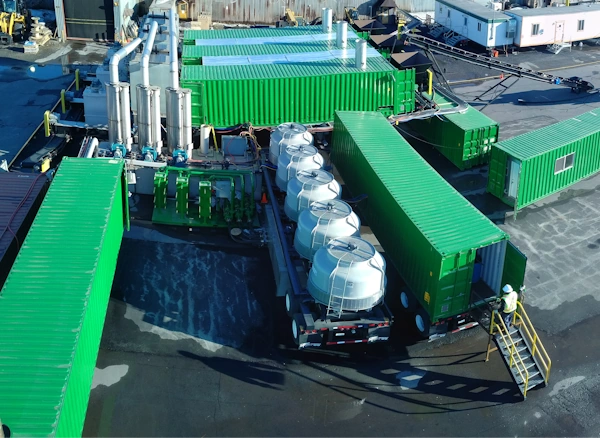
Minimizing Up-Front Environmental Impact
- Controlled Construction Environment: Building in a factory setting means less environmental disturbance at the construction site. There's less noise, dust, and disruption to local ecosystems, which is particularly beneficial in urban or sensitive environments.
- Energy Efficiency: The factory environment allows for better control over energy use during construction, with opportunities to use renewable energy sources for production, thus lowering the carbon footprint from the outset.
- Material Sourcing: The modular approach supports the use of recycled or sustainably sourced materials since the supply chain can be more easily managed. This reduces the environmental impact associated with material extraction and processing.
Minimizing End-of-Life Environmental Impact
- Ease of Deconstruction: The modularity of Novare™ means that at the end of its life, the system can be disassembled in a controlled manner. Components can be reused, recycled, or repurposed, reducing waste that would otherwise end up in landfills.
- Longevity and Upgradability: Modules can be upgraded rather than replaced entirely, extending the life of the system and reducing the frequency of replacements. This modularity allows for technological updates without major environmental costs associated with new construction.
- Recycling and Material Recovery: At the end of life, individual modules can be more easily processed for material recovery. Metals, plastics, and other materials can be efficiently separated, recycled, or repurposed, minimizing the environmental impact of disposal.
- Reduced Demolition Impact: Traditional demolition can be highly disruptive and environmentally harmful due to dust, noise, and waste. The modular design facilitates a cleaner, more controlled decommissioning process.
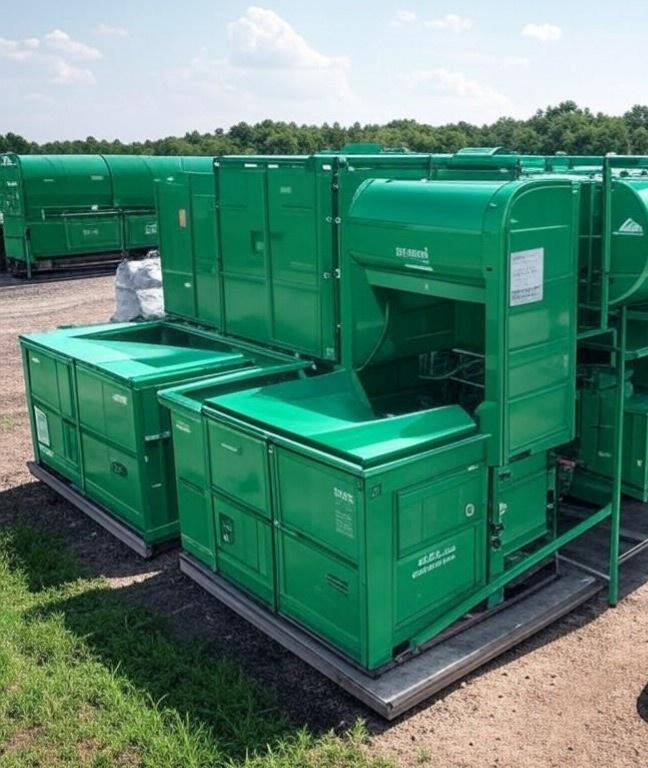
By embracing the modular design of Novare™, ABOUND Energy not only achieves a cost-effective construction model but also significantly lowers the environmental footprint at both the beginning and end of the system’s lifecycle. This approach underscores a commitment to sustainability that extends beyond energy solutions, to the very processes of building and dismantling infrastructure.
Understanding Advanced Thermal Conversion (ATC)
Novare™ is powered by Advanced Thermal Conversion (ATC). Proprietary advancements in ATC have allow Novare™ to redefine the waste-to-energy process. Unlike traditional incineration or landfill methods, Novare™ utilizes a highly controlled thermal reaction to efficiently convert waste into clean energy. This innovative approach ensures environmental sustainability and eliminates the need for landfills.
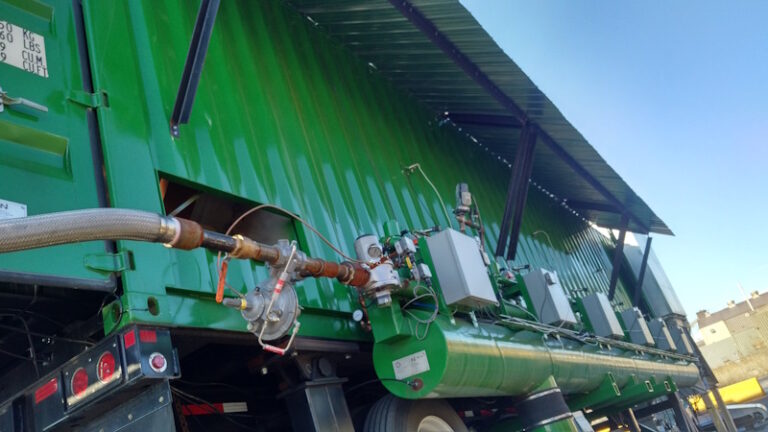
Novare™ offers advanced solutions to effectively eliminate CO₂ emissions, leveraging technologies that seamlessly align with our clients’ sustainability objectives. These solutions include, but are not limited to:
Option 1: Conversion to Food-Grade CO₂
- Overview: Purify CO₂ for sustainable use in agriculture, food preservation, and beverage carbonation.
- Impact: Offers a renewable alternative to traditional CO₂ sourcing, advancing sustainability in food and agriculture.
- Applications: Beverage carbonation, greenhouse optimization, and eco-friendly food packaging.
Option 2: Biosequestration with Algae
- Overview: Use CO₂ to grow algae, producing biomass for biofuels, fertilizers, and animal feed.
- Impact: Converts emissions into renewable resources, supporting green energy and agriculture.
- Applications: Biofuel production, natural fertilizers, and sustainable animal feed.
Option 3: Methanation for Synthetic Natural Gas (SNG)
- Overview: Combine CO₂ with hydrogen to produce methane, a clean alternative to fossil fuels.
- Impact: Reduces emissions and supports a carbon-neutral energy future.
- Applications: Renewable methane for heating, green energy systems, and industrial fuel solutions.
By embracing the modular design of Novare™, ABOUND Energy not only achieves a cost-effective construction model but also significantly lowers the environmental footprint at both the beginning and end of the system’s lifecycle. This approach underscores a commitment to sustainability that extends beyond energy solutions, to the very processes of building and dismantling infrastructure.